Introductory Sale up to 30% Off



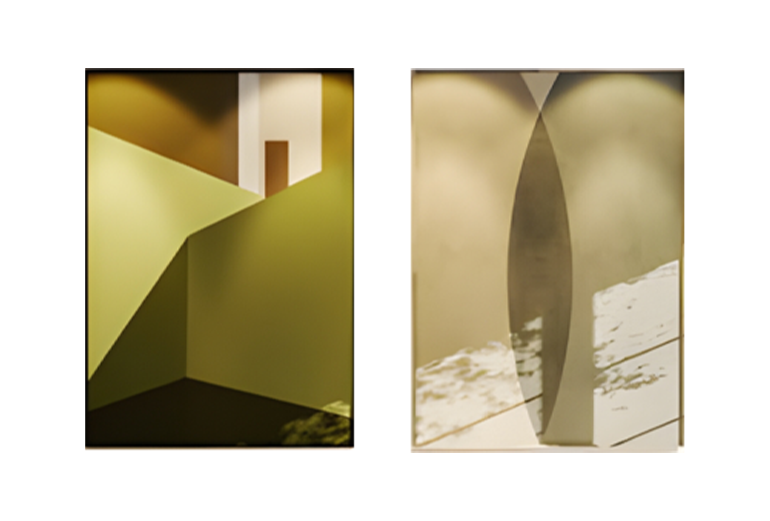
Design-Led Decorative Pieces That Double as Functional Art
The traditional distinction between an object of utility and work of art is increasingly becoming a thing of the past. In a well-curated home, the items we use daily should offer more than just a service; they should provide a sense of visual inspiration.
Design-led pieces that double as functional art allow you to maintain a lean, efficient environment without sacrificing aesthetic depth. The guide explores how to identify and integrate objects that serve a practical purpose while possessing the structural grace of a gallery installation.
By selecting items that value form and function, you create a living space that feels intentional, sophisticated, and ideally poised.
The Sculptural Potential of Lighting
Lighting is perhaps a significant category where function and art intersect. Beyond its primary task of illuminating a room, a well-designed lamp acts as a central sculpture. Whether it is a floor lamp with a sweeping, architectural curve or a table lamp made from a solid block of honed stone, these pieces define the energy of a room even when they are not in use.
The key is to look for silhouettes that possess a strong sense of balance and a unique use of material, such as brushed metal, hand-blown glass, or textured ceramic. When a light fixture is viewed as an art, it becomes a focal point that anchors the rest of your decor.
A minimalist pendant or a geometric sconce can provide the necessary punctuation for a clean wall, adding layers of interest without the need for additional ornamentation. This dual-purpose approach ensures that every square inch of your home is working to support your aesthetic standards.
By spending in lighting that offers both clarity of light and beauty of form, you ensure that your environment remains a constant source of inspiration from morning to night.
Functional Ceramics as Everyday Installations
Ceramics offer a tactile way to bring art into the rhythm of your daily routine. A hand-thrown pitcher, a set of geometric bowls, or a heavy, textured tray can serve as the centerpiece of a dining table while remaining entirely functional for service.
These pieces celebrate the mark of the maker, showing a level of craftsmanship that mass-produced items often lack. Look for ceramics with a matter finish or a subtle tonal glaze that highlights the natural beauty of the clay.
Using these items daily turns an ordinary task like serving a meal or organizing your keys into a more mindful experience. When a decorative bowl is also a vessel for your essentials, it removes the need for extra "clutter" objects.
This systematic approach to decor allows you to live with fewer things while ensuring that those you do own are of the highest quality. Functional ceramics bridge the gap between utility and sculpture, proving that the tools of your home can be as refined as the art on your walls.
The Architectural Utility of Small Furniture
Small furniture pieces such as side tables, stools, and pedestals, provide an excellent opportunity to introduce functional art into a room. An accent table made from a single piece of fluted marble or a stool carved from a solid block of dark wood possesses a physical presence that is both grounded and elegant.
These items are designed to be moved and used, yet they retain their visual integrity as standalone sculptures. The goal is to find pieces that value geometric precision and material honesty.
Because these items are smaller in scale, they allow for more experimentation with form. A side table with an unconventional silhouette can act as a conversation piece while providing a stable surface for a book or drink.
By selecting furniture that doubles as art, you can maximize the efficiency of the layout. Every piece serves a logistical need while contributing to a sophisticated and cohesive home narrative. This focus on "multi-purpose beauty" is a hallmark of a professional interior, ensuring that your home feels both spacious and deeply considered.
Organizing with Aesthetic Intent
Storage and organization are often viewed as purely functional, yet they offer a significant canvas for design-led thinking. A set of heavy metal bookends, a sleek leather magazine rack, or a series of nested wooden boxes can turn the act of tidying into an aesthetic exercise.
When your organizational tools possess a high level of design, they don’t need to be hidden away in cabinets. Instead, they become part of the decor, adding structure and order to your shelves and surfaces.
This approach to organization encourages a high standard of maintenance. When your storage items are beautiful, you are more likely to keep them organized and well-attended for. It shows a commitment to an environment where every detail matters.
By choosing organizational pieces that reflect your personal standards of excellence, you ensure that your home remains a stable and calm backdrop for your daily life. This is the ultimate goal of functional art: to simplify your existence while elevating your surroundings with grace and poise.
Maintaining the Integrity of Artful Objects
To keep your design-led pieces looking their peak, consistent attention is a necessity. Because these items often feature unique materials and finishes, they require specific attention to preserve their original luster.
Regularly dusting your sculptural lighting and polishing stone or wood surfaces ensures that the architectural details remain sharp and clear. For functional ceramics, following gentle cleaning practices prevents the build-up of residue and protects the integrity of the glaze.
Proper placement also plays a role in maintenance. Ensuring that your functional art pieces are positioned where they can be used without being subjected to unnecessary wear helps extend their lifespan.
By viewing your everyday objects with the same respect you would give to a traditional artwork, you preserve their value and ensure they continue to provide utility. A well-maintained collection of functional art is a testament to the idea that beauty and order are ideally aligned, providing a sophisticated and inspirational atmosphere for the long term.
Picking the Right Color Palette
Choosing a consistent color palette is a vital step in ensuring your functional art remains adaptable across your home. While neutrals like charcoal, sand, and navy provide a reliable foundation, incorporating subtle variations can offer surprising versatility.
These shades act as anchors because they blend effortlessly with different textures and materials. By sticking to a cohesive tonal range, you create a collection where every piece complements the rest of your interior.
This strategic approach minimizes the risk of owning items that feel disconnected. A thoughtful palette allows for maximum creativity, ensuring your look remains stable while your lifestyle continues to evolve.
Final Thoughts on a Curated Life
Living with design-led pieces that double as functional art is an exercise in personal clarity. It is about understanding that the objects we surround ourselves with have a direct impact on our sense of well-being and order.
By following a logic of material integrity, structural grace, and utility, you remove the distinction between "useful" and "beautiful." These principles work because they respect the balance between the needs of the body and the needs of the eye.
Whether you are selecting a single lamp or a suite of small furniture, the goal is to create a foundation that supports your life with poise. Spending in functional art ensures that your home remains a true reflection of your standards and a constant source of inspiration.